By Mike Hylen
October 30, 2026
When it comes to vehicle safety, your braking system is one of the most important components to maintain. Hearing squeaking or squealing brakes can be frustrating, but these sounds may also indicate mechanical problems requiring attention. Understanding the causes of brake noise helps drivers recognize warning signs and prevent potentially dangerous situations. Whether the issue involves worn brake pads, damaged rotors, or accumulated debris, visiting a reputable auto repair shop can help identify the problem. Following a comprehensive maintenance checklist supports reliable braking performance and extends the lifespan of essential vehicle components.
1. Understanding the Common Causes of Squeaky Brakes
Brake squeaking can develop for several reasons, including worn friction materials, environmental conditions, and improper component installation. Brake pads contain materials designed to create friction against rotating brake discs. As these materials wear down, built-in wear indicators may produce high-pitched squealing sounds to alert drivers that replacement is necessary.
According to AAA, brake pads typically last between 30,000 and 80,000 miles, although actual longevity depends on driving habits, road conditions, and vehicle specifications. Frequent stopping, aggressive braking, and heavy loads can accelerate deterioration. Understanding these factors helps drivers recognize when inspections become necessary.
Moisture and humidity can also temporarily produce squeaking sounds. Light surface rust may develop on rotors overnight and disappear after several normal braking applications. However, persistent noises should be evaluated by an experienced auto repair shop to determine whether mechanical damage or excessive wear is responsible.
2. Inspecting Brake Pads and Rotors for Damage
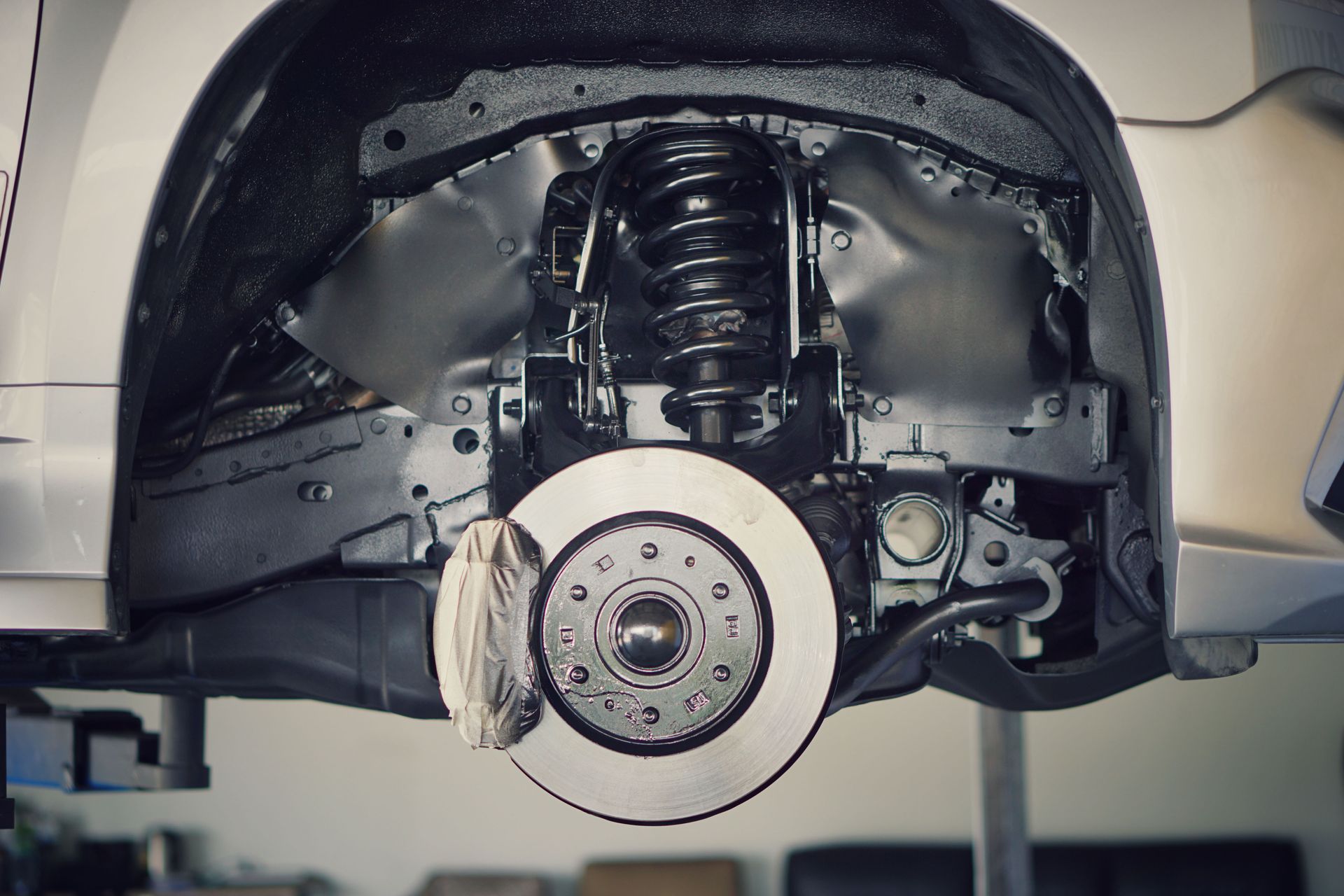
Brake pads and rotors experience considerable friction during everyday driving. Regular inspections help identify thinning pads, uneven wear patterns, corrosion, and damaged braking surfaces. Drivers should pay attention to unusual noises, particularly grinding sounds that may indicate severely worn friction materials.'
Brake rotors should maintain sufficient thickness and relatively even surfaces to support consistent stopping performance. Deep grooves, excessive corrosion, and thickness variations can contribute to vibrations and reduced braking effectiveness. Professional technicians use specialized measuring equipment to determine whether rotors meet manufacturer specifications.
Visiting an auto repair shop for a comprehensive brake inspection allows technicians to examine components that may be difficult to assess visually. Identifying deterioration early helps prevent additional damage to calipers, rotors, and surrounding hardware. Prompt repairs can also reduce long-term maintenance expenses.
3. Recognizing Different Brake Noises and Warning Signs
Different braking noises can indicate different mechanical concerns. High-pitched squealing frequently develops when brake pad wear indicators contact the rotor. Grinding sounds may suggest that friction materials have worn excessively, potentially allowing metal components to contact one another.
Rattling noises can result from loose hardware, damaged anti-rattle clips, or improperly secured components. Clicking sounds may indicate movement within the brake assembly, while rhythmic scraping can develop from rotor irregularities or debris. Identifying these differences helps drivers describe symptoms accurately.
Drivers should also monitor warning signs beyond unusual sounds. A vibrating brake pedal, increased stopping distance, vehicle pulling during braking, or an illuminated brake warning light may indicate problems requiring immediate attention. Describing these symptoms to an auto repair shop helps technicians identify potential causes and recommend appropriate repairs.
4. Checking Brake Fluid and Hydraulic Components
Brake fluid transfers pressure from the brake pedal through the hydraulic system, allowing calipers to engage the braking components. Maintaining the correct fluid level and condition is essential for dependable operation. Hydraulic problems can negatively affect stopping performance and overall vehicle safety.
Low brake fluid may indicate worn brake pads or a hydraulic leak. Drivers should inspect the reservoir according to manufacturer instructions and avoid adding fluid without understanding why the level has decreased. Persistent fluid loss requires professional evaluation to prevent potentially dangerous braking complications.
Brake fluid also absorbs moisture over time, potentially reducing its boiling point and contributing to internal corrosion. Manufacturers establish recommended inspection and replacement intervals based on vehicle requirements. Professional technicians can evaluate fluid condition, inspect hydraulic lines, and identify leaking connections before serious problems develop.
5. Selecting High-Quality Brake Replacement Components
Choosing appropriate replacement components plays an important role in braking performance, durability, and noise reduction. Brake pads are manufactured using different friction materials, including ceramic, semi-metallic, and organic compounds. Each option offers characteristics suited to particular vehicles and driving conditions.
Ceramic pads are often associated with quieter operation and reduced visible dust, while semi-metallic pads can provide effective heat management under demanding conditions. However, compatibility with the vehicle manufacturer's specifications should remain the primary consideration when selecting replacement parts.
Brake rotors, calipers, mounting hardware, and anti-rattle clips also influence overall performance. Worn hardware or incorrectly fitted components may create vibrations and unnecessary noise. A knowledgeable auto repair shop can recommend compatible original equipment or reputable aftermarket components that support dependable braking performance.
6. Maintaining Clean and Properly Installed Brake Components
Brake dust, road debris, and corrosion can accumulate around braking components. Excessive buildup may contribute to unwanted noise or interfere with the movement of certain parts. Regular inspections help identify contamination before it becomes a more significant concern.
Professional brake servicing may involve cleaning accessible components, examining mounting hardware, and lubricating designated contact points with manufacturer-approved products. Friction surfaces must remain free from grease and inappropriate lubricants. Proper cleaning procedures help maintain consistent braking performance without damaging sensitive components.
Correct installation is equally important. Improperly positioned pads, missing hardware, or incorrectly secured calipers can produce noise and uneven wear. Technicians should follow manufacturer procedures and applicable torque specifications during replacement. Drivers should avoid attempting complex brake repairs without appropriate training and equipment.
7. Developing Better Driving and Braking Habits
Driving behavior significantly influences brake longevity. Repeated hard stops generate substantial heat and accelerate friction material wear. Maintaining adequate following distances allows drivers to slow down gradually instead of braking abruptly. Consistent driving techniques can reduce unnecessary stress on essential braking components.
Anticipating traffic conditions, observing speed limits, and avoiding unnecessary acceleration can reduce strain on braking components. Drivers traveling through mountainous areas should follow manufacturer recommendations for managing downhill speeds and preventing excessive brake temperatures.
Vehicle weight also affects stopping requirements. Carrying unnecessary cargo increases the energy brakes must absorb, particularly during repeated stops. Combining responsible driving techniques with scheduled inspections can reduce unexpected maintenance expenses and extend the service life of brake pads and rotors.
8. Scheduling Routine Brake Inspections and Maintenance
Routine maintenance helps identify developing brake problems before they compromise vehicle safety. Drivers should follow manufacturer recommendations for inspections and remain attentive to changes in pedal response, stopping distance, and braking sounds. Preventive maintenance can also reduce the likelihood of unexpected breakdowns.
During a professional inspection, technicians may measure brake pad thickness, evaluate rotor condition, inspect calipers, and examine hydraulic components. They can also identify uneven wear patterns that suggest sticking calipers or other mechanical concerns requiring additional attention.
Scheduling regular appointments with an auto repair shop provides opportunities to address minor issues before extensive repairs become necessary. Maintaining service records also helps drivers track previous replacements and anticipate future maintenance requirements. Inspections are particularly important before extended road trips or demanding driving conditions.
9. Comparing Brake Repair Costs and Service Options
Brake repair expenses vary depending on vehicle specifications, component quality, labor requirements, and the extent of existing damage. Replacing worn pads generally costs less than addressing damaged rotors, seized calipers, or hydraulic system failures. Understanding potential expenses helps drivers prepare financially.
Drivers should request detailed estimates explaining recommended services, replacement parts, and associated labor charges. Comparing estimates from qualified providers can help identify reasonable pricing without compromising safety. Choosing the least expensive repair option does not always produce the best long-term value.
By following this comprehensive checklist, drivers can recognize developing problems earlier and make informed maintenance decisions. Consistent attention to brake condition helps preserve vehicle reliability, improve stopping performance, and promote safer driving experiences for everyone on the road. Contact our team at Unlimited Brakes & Auto Repair today and learn more about our auto repair services.